Refugees of the March
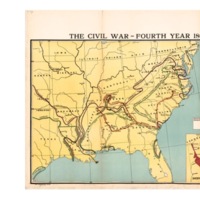
While the journey for the freed enslaved workers was fueled by the hope of newfound freedom, for white southerners, their presence reflected a different perspective. For many, fleeing was the only way to survive Sherman's "Total War". As he was riding through Georgia and South Carolina, white people would join out of fear that their homes were going to be destroyed. While some stayed to watch the destruction, some families would pack their things and move away when Sherman’s Army came through.[14] Those who did leave believed that there would be nothing to return to, not just their homes, but also their way of life. While the attitude of most white refugees was grim compared to that of the enslaved workers, white refugees had access to more luxuries on the road, often leading to safer travels.
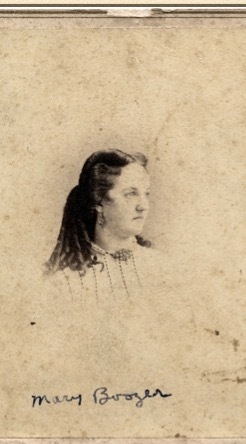
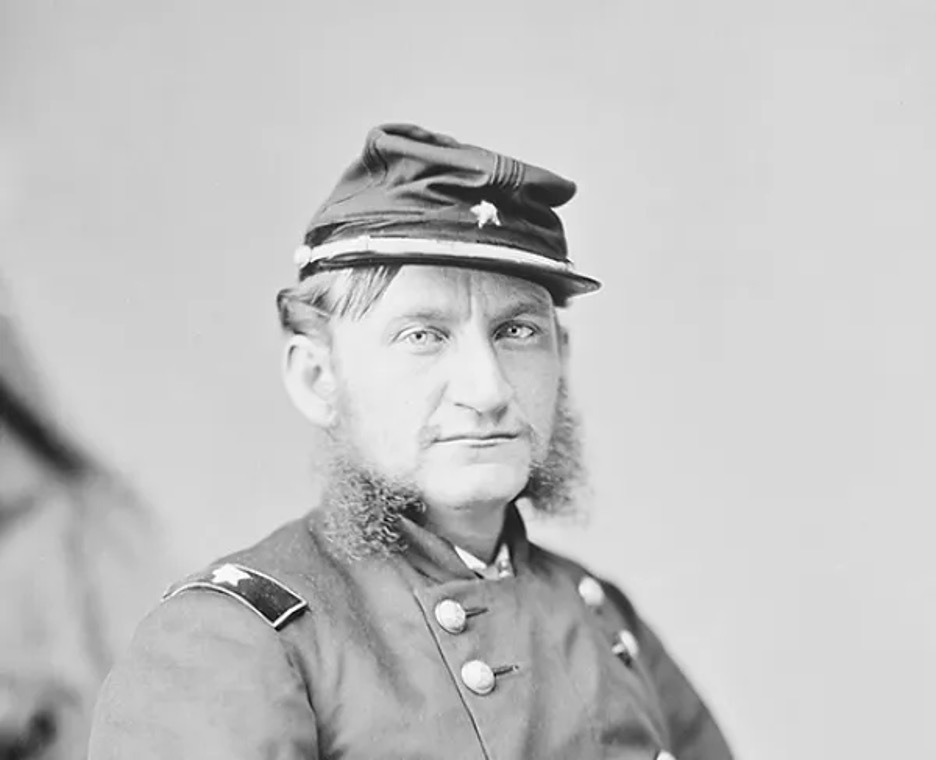
White refugees were often awarded much nicer pleasures while travelling through the Carolinas. While the African American refugees were forced to provide for themselves, oftentimes, white refugees were provided meals and shelter along the trail. Both the Halpin and Soule families were guests of General Oliver Otis Howard, and more refined ladies, like Amelia Feaster and her daughter, Mary Boozer, accompanied the Union Army for safety while travelling.[15] The advantages of travelling as a general’s guest included better housing, transportation, and food. In one diary entry, while occupying Daniel Brown’s home in Lancaster on February 23-25, 1865, General Kilpatrick brought an unidentified lady, presumably Mary Boozer, into the home and later escorted her out into a carriage. Not only was he participating in scandalous behavior, but she was also awarded the pleasures of sleeping in a bed and traveling by carriage rather than on foot or horseback.[16]
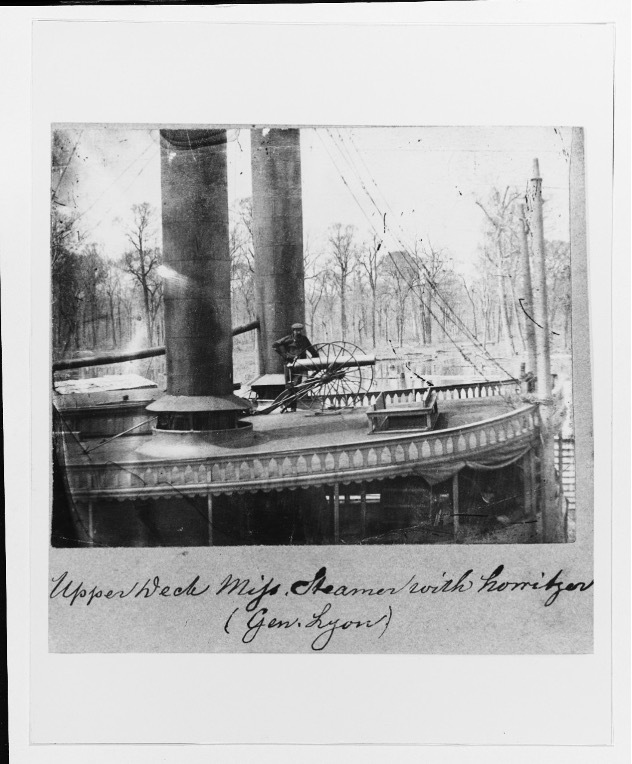
While white refugees seemingly had an easier time during this period, they still were not safe from tragedy. Around the same time as the freedmen arriving in Wilmington, about 600 people boarded the U.S.S. General Lyon, a captured Confederate vessel. Headed to Fort Monroe, the General Lyon held not only discharged soldiers but also escaped prisoners and white refugees. Reports state that of those refugees, there were thirty women and twenty-five small children.[17] Upon reaching the upper North Carolina coast, the ship crashed due to fire and high winds. A nearby ship, the General Sedgwick, rescued some of the survivors, including refugees Thomas Farrar and Clarence Dunn. Almost everyone on the ship perished, including several members of the Fifty-sixth Illinois Company.[18]